01
Tooth Displacement
Dislodged Teeth
Teeth that have been pushed back into their sockets, requiring repositioning, stabilization, and close monitoring for pulp health.


A knocked-out, dislodged, or fractured tooth is a true dental emergency. Dr. Surbhi Puri provides careful assessment and endodontic care to give your injured tooth the best possible chance of survival.
A knocked-out, dislodged, or fractured tooth is a true dental emergency. Dr. Surbhi Puri provides careful assessment and endodontic care to give your injured tooth the best possible chance of survival.
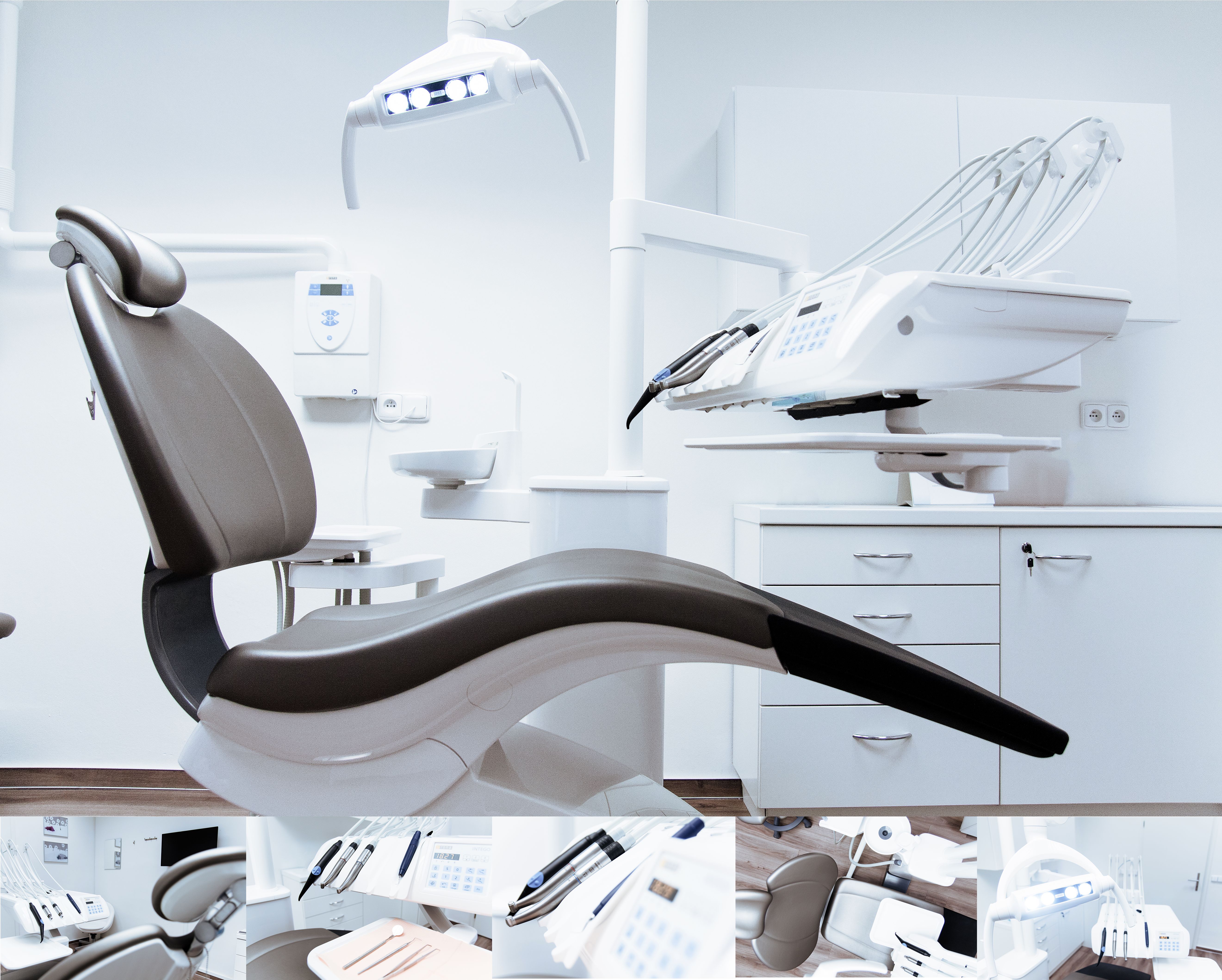
Dental injuries can affect the tooth, root, or surrounding tissues. Our office carefully evaluates each injury and recommends the right endodontic care.
Teeth that have been pushed back into their sockets, requiring repositioning, stabilization, and close monitoring for pulp health.
Teeth that have been completely knocked out of the mouth, requiring immediate care to give the tooth the best chance of being saved.
Immature, still developing teeth that may need specialized procedures like apexogenesis or apexification to preserve the tooth.
Teeth that have been chipped or cracked due to trauma, which may require endodontic evaluation depending on the depth of the injury.
Time is critical after a dental injury. Contact our office immediately so we can give your tooth the best possible chance of survival.
Injuries to the mouth can cause teeth to be pushed back into their sockets. Your endodontist or general dentist may reposition and stabilize your tooth. Root canal treatment is usually started within a few weeks of the injury, and a medication, such as calcium hydroxide, will be placed inside the tooth. Eventually, a final root canal filling will be placed.
Sometimes a tooth may be pushed partially out of the socket. Again, your endodontist or general dentist may reposition and stabilize your tooth. If the pulp remains healthy, then no other treatment is necessary. Yet, if the pulp becomes damaged or infected, root canal treatment will be required. If left untreated, many different complications can arise, including infection of the tooth, root system, or surrounding tissue; inadequate hygiene due to an inability to properly clean the dislodged tooth and gums; and loss of the tooth.
If an injury causes a tooth to be completely knocked out of your mouth, it is important that you are treated immediately. If this happens to you, keep the tooth moist. If possible, put it back into the socket. A tooth can be saved if it remains moist — you can even put the tooth in milk or a glass of water with a pinch of salt added.
Your endodontist may start root canal treatment based upon the stage of root development. The length of time the tooth was out of your mouth and the way the tooth was stored may influence the type of treatment you receive.
An injured immature tooth may need one of the following procedures to improve the chances of saving the tooth:
This procedure encourages the root to continue development as the pulp is healed. Soft tissue is covered with medication to encourage growth. The tip of the root (apex) will continue to close as the child gets older. In turn, the walls of the root canal will thicken. If the pulp heals, no additional treatment will be necessary. The more mature the root becomes, the better the chance to save the tooth.
In this case, the unhealthy pulp is removed. The doctors place medication into the root to help a hard tissue form near the root tip. This hardened tissue provides a barrier for the root canal filling. At this point, the root canal walls will not continue to develop, making the tooth susceptible to fractures, so it is important to have the tooth properly restored by your dentist.
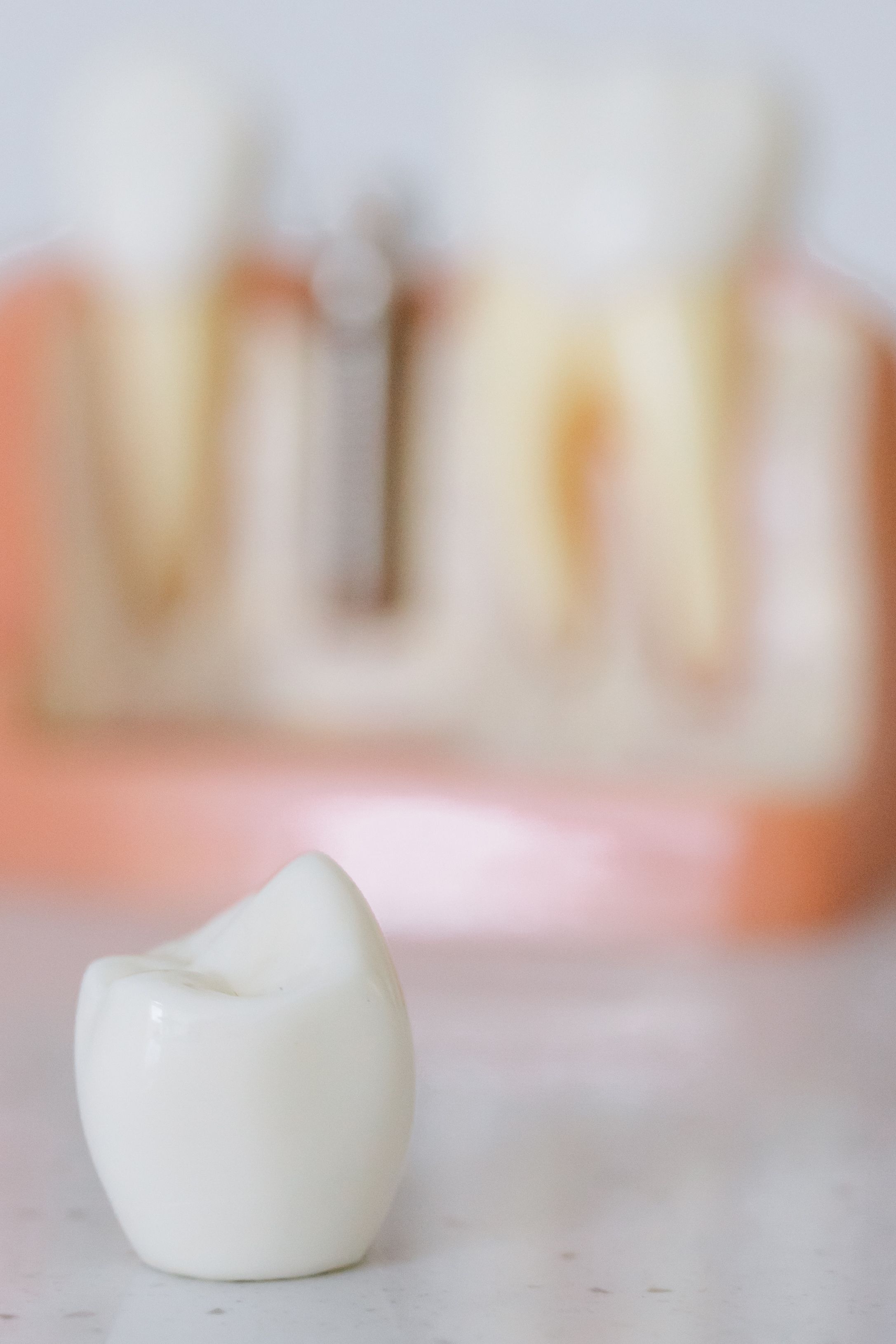
Each dental injury is carefully evaluated so the extent of the damage can be understood and the appropriate treatment plan can be recommended.
Our doctor will examine the injured tooth, take x-rays to assess the full extent of the damage, and explain the findings and treatment options clearly.
Depending on the type and severity of the injury, the tooth may be repositioned and stabilized.
Root canal treatment may be started, along with any necessary medication placed inside the tooth, depending on the nature of the injury.
Dental trauma often requires careful monitoring over time. Our doctor will schedule follow-up appointments to track healing and address any new concerns.
Once treatment is complete, we'll coordinate with your general dentist so the tooth gets any final restorative work it needs to help protect and restore its function.
Handle the tooth by the crown only, avoiding the root. If it's dirty, rinse it gently with clean water. If possible, try to reinsert it into the socket, or store it in milk while you seek care immediately — time is critical for the best chance of saving the tooth.
Even if the tooth isn't causing pain right away, internal damage may not be immediately obvious. Avoid chewing on that side and contact our office as soon as possible for an evaluation.
Any traumatic dental injury should be evaluated promptly, since delays can affect the long-term outcome for the tooth. Please contact our office right away if you or a family member experiences a dental injury.
In many cases, yes, especially if treated quickly. The success of reimplantation depends on factors like how the tooth was stored and how much time has passed since the injury.
Dental trauma in children can affect developing teeth differently than in adults, sometimes requiring specialized procedures like apexogenesis or apexification. If your child experiences a dental injury, contact our office so we can advise you on the best next steps.
As soon as possible. For a knocked-out tooth, every minute matters — the sooner the tooth is repositioned or properly stored and brought in for care, the better its chances of survival. Even for less severe injuries, prompt evaluation helps prevent complications like infection or long-term damage to the tooth.
Traumatic dental injuries require prompt attention. Do not wait to seek care for a knocked-out, dislodged, or fractured tooth. Contact Sienna Endodontics as soon as possible to give your tooth the best possible chance of being saved.
We are committed to making our website accessible to all users. If you experience difficulty accessing any content, please contact us at [email protected] or 281-969-3515 and we will address it promptly.

Dr. Puri's front desk
Online · replies in minutes