01
Continued Symptoms
Continued Tooth Pain
Pain that continues after the original root canal treatment should be evaluated.


A tooth that has already received root canal treatment may sometimes continue to cause discomfort or develop a new problem months or years later. Sienna Endodontics provides careful evaluation and specialized retreatment focused on addressing the affected root canals and helping preserve your natural tooth.
A tooth that has already received root canal treatment may sometimes continue to cause discomfort or develop a new problem months or years later. Sienna Endodontics provides careful evaluation and specialized retreatment focused on addressing the affected root canals and helping preserve your natural tooth.
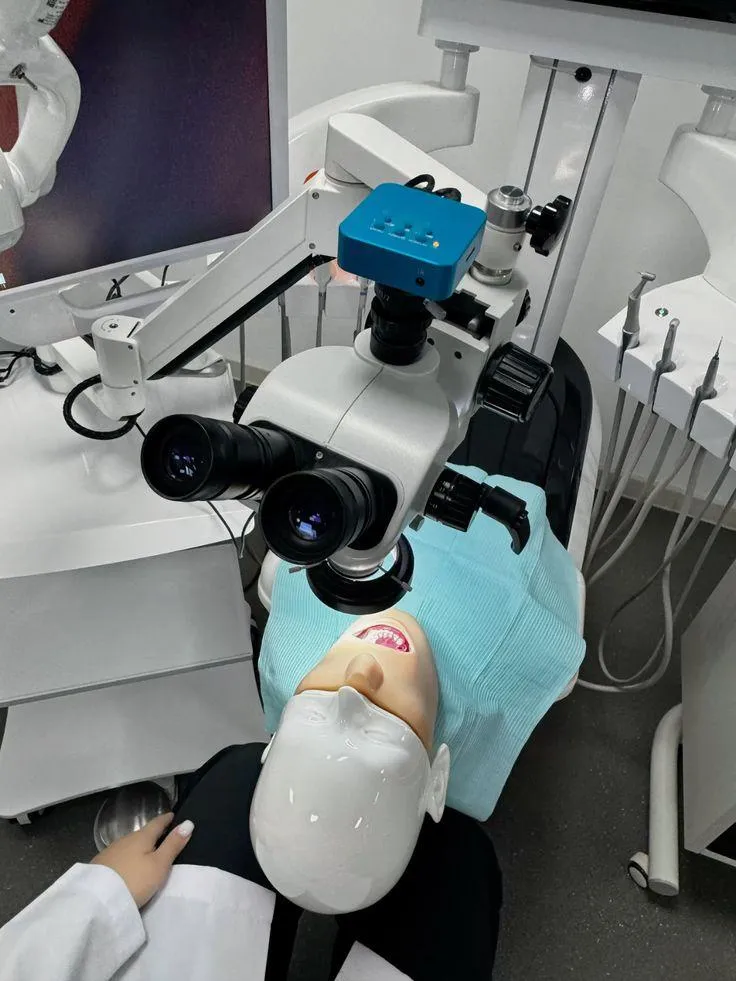
A previously treated tooth should be evaluated if it does not heal as expected or begins causing problems again. A careful examination is needed to determine whether retreatment may be helpful.
Pain that continues after the original root canal treatment should be evaluated.
A tooth may feel better after treatment but begin causing discomfort again months or years later.
The infection around a previously treated tooth may occasionally remain after the original procedure.
New or recurring swelling and tenderness near the treated tooth may require further examination.
Pain or tenderness when chewing or applying pressure to the tooth should be discussed with an endodontist.
Any new symptoms involving a tooth that previously received root canal treatment should be evaluated.
Clinical examination or diagnostic imaging may reveal that the treated tooth requires further care.
An endodontic evaluation can help determine whether retreatment is an appropriate option for preserving the tooth.
Once retreatment has been selected as the appropriate option, the tooth is reopened to provide access to the existing root canal filling material.
The existing material is removed so the canals and the inside of the tooth can be carefully cleaned and examined before the tooth is filled and sealed again.
Your symptoms, dental history, and previous treatment are reviewed. The tooth is carefully examined to determine whether retreatment may be appropriate.
Local anesthesia is generally used during the procedure to support patient comfort.
The tooth is reopened, and the previous root canal filling material is removed to provide access to the canals.
The canals are carefully cleaned, and the inside of the tooth is examined before new filling material is placed.
Once the canals have been cleaned, they are filled with new material. The access opening is then sealed with a temporary filling.
You will need to return to your general dentist as soon as possible for a final restoration or crown to protect the tooth and restore its function.
A tooth may require further evaluation if the original infection does not heal, discomfort continues, or another problem develops months or years after root canal treatment.
The tooth is reopened, the existing root canal filling material is removed, and the canals are cleaned and examined. New filling material is then placed, and the tooth is sealed.
Retreatment may provide another opportunity to address the affected root canals and preserve the natural tooth. An examination is required to determine whether it is appropriate.
After retreatment, you must return to your general dentist as soon as possible for a final restoration, crown, or evaluation of the existing restoration.
Not every tooth or condition is the same. A careful examination and diagnosis are necessary before an appropriate treatment recommendation can be made.
Contact our office if pain continues after previous root canal treatment, symptoms return, or you have concerns about a previously treated tooth.
Contact Sienna Endodontics if a previously treated tooth continues to cause discomfort or develops new symptoms. Our team can schedule an evaluation at our Missouri City office to determine the appropriate next step.
We are committed to making our website accessible to all users. If you experience difficulty accessing any content, please contact us at [email protected] or 281-969-3515 and we will address it promptly.

Dr. Puri's front desk
Online · replies in minutes