01
Tooth Discomfort
Persistent Tooth Pain
Tooth pain that continues, becomes more intense, or does not improve should be evaluated.


Root canal treatment can help save a natural tooth when the pulp inside becomes inflamed or infected. Sienna Endodontics provides careful diagnosis and specialized treatment designed to remove infected tissue, clean and seal the root canals, relieve discomfort, and preserve your natural tooth.
Root canal treatment can help save a natural tooth when the pulp inside becomes inflamed or infected. Sienna Endodontics provides careful diagnosis and specialized treatment designed to remove infected tissue, clean and seal the root canals, relieve discomfort, and preserve your natural tooth.
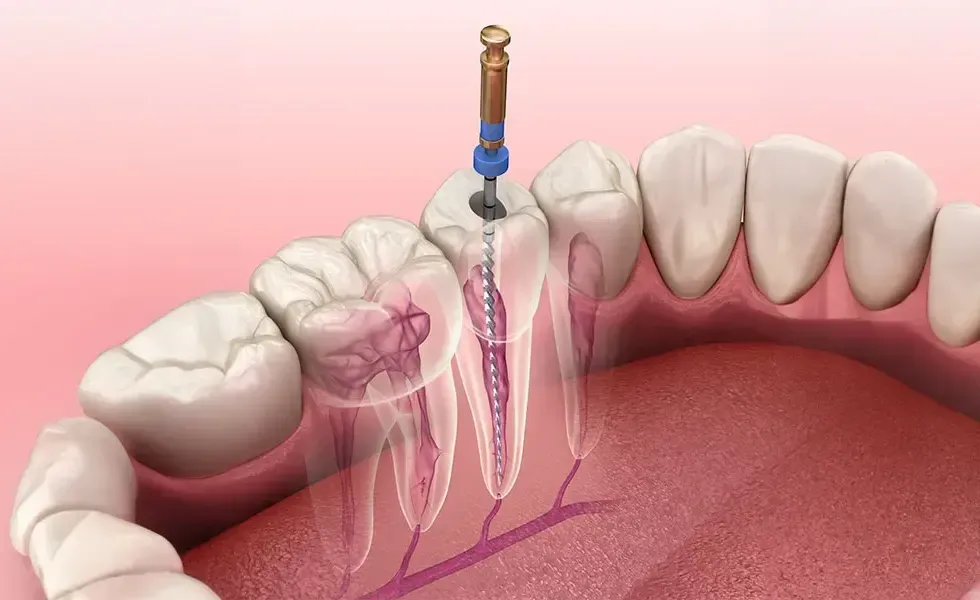
Symptoms can vary depending on the condition of the tooth. A careful examination and proper diagnosis are necessary to determine whether root canal treatment is appropriate.
Tooth pain that continues, becomes more intense, or does not improve should be evaluated.
A sudden or prolonged change in sensitivity to hot or cold may indicate a problem inside the tooth.
Cracks, chips, deep decay, or other visible damage may allow infection to reach the pulp.
Swelling or tenderness in the gums surrounding a tooth may be related to inflammation or infection.
Swelling in the face near the affected tooth should be evaluated promptly.
Discomfort when biting down or applying pressure may be a sign that the tooth requires further examination.
A traumatic injury or repeated dental procedures can affect the pulp, even when symptoms are not immediately noticeable.
Your treatment begins with a careful evaluation of the affected tooth. The purpose of root canal treatment is to remove infected pulp tissue, clean and shape the canals, seal the internal space, and protect the tooth from further infection.
A final restoration may also be needed to help protect the treated tooth after endodontic treatment is completed.
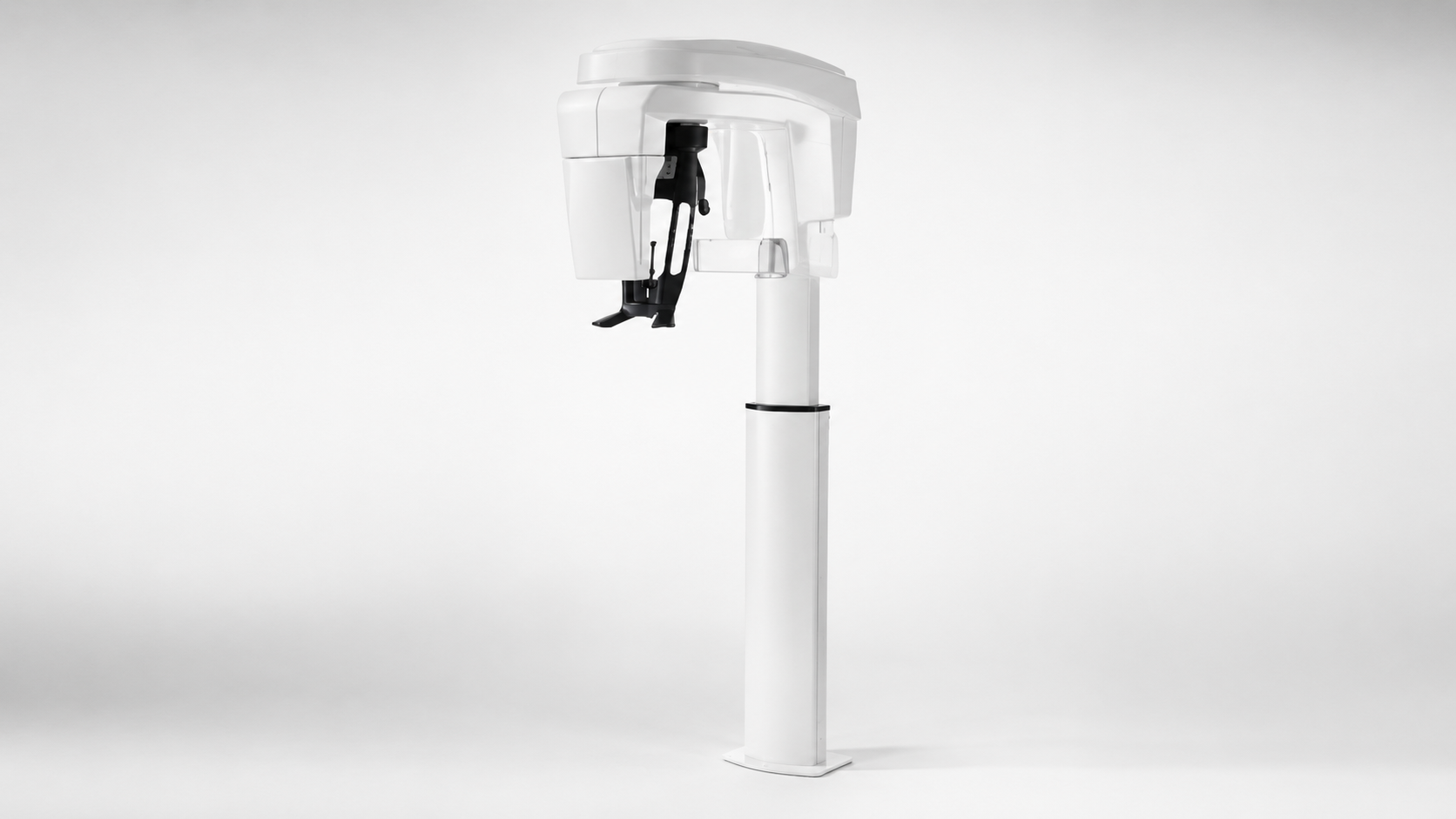
Your symptoms and dental history are reviewed, and the affected tooth is carefully examined using appropriate diagnostic imaging.
Local anesthesia is generally used during treatment to support patient comfort.
The infected pulp tissue is removed, and the root canals are carefully cleaned and shaped.
The cleaned root canals are sealed to help protect the internal area of the tooth.
After treatment, your general dentist may need to complete a permanent filling, crown, or another final restoration to protect the tooth.
Root canal treatment removes infected or inflamed pulp tissue from inside the tooth. The canals are then cleaned, shaped, and sealed to help preserve the natural tooth.
Treatment may be recommended when the pulp becomes infected or inflamed because of deep decay, cracks, chips, traumatic injury, or repeated dental procedures.
Possible symptoms include tooth pain, swelling, sensitivity to temperature, discomfort when biting, or visible damage to the tooth. A professional examination is required for an accurate diagnosis.
The treated tooth may feel slightly tender for several days. Patients should follow their post operative instructions and arrange any required final restoration with their general dentist.
Call the office if your symptoms become more intense, last longer than expected, or if you experience post operative swelling or have questions about your recovery.
A final restoration may be needed after root canal treatment. Your general dentist may recommend a permanent filling, crown, or another restoration to protect the treated tooth.
Contact Sienna Endodontics if you are experiencing tooth pain, swelling, temperature sensitivity, or concerns about a damaged tooth. Our team can help you schedule an evaluation at our Missouri City office.
We are committed to making our website accessible to all users. If you experience difficulty accessing any content, please contact us at [email protected] or 281-969-3515 and we will address it promptly.

Dr. Puri's front desk
Online · replies in minutes