Endodontic Surgery in Missouri City, TX

When root canal treatment alone isn't enough to resolve a persistent issue, endodontic surgery may be recommended to save your natural tooth. Dr. Surbhi Puri provides precise, gentle surgical care using modern techniques.

Endodontic Surgery in Missouri City, TX

When root canal treatment alone isn't enough to resolve a persistent issue, endodontic surgery may be recommended to save your natural tooth. Dr. Surbhi Puri provides precise, gentle surgical care using modern techniques.

When Is Endodontic Surgery Necessary?

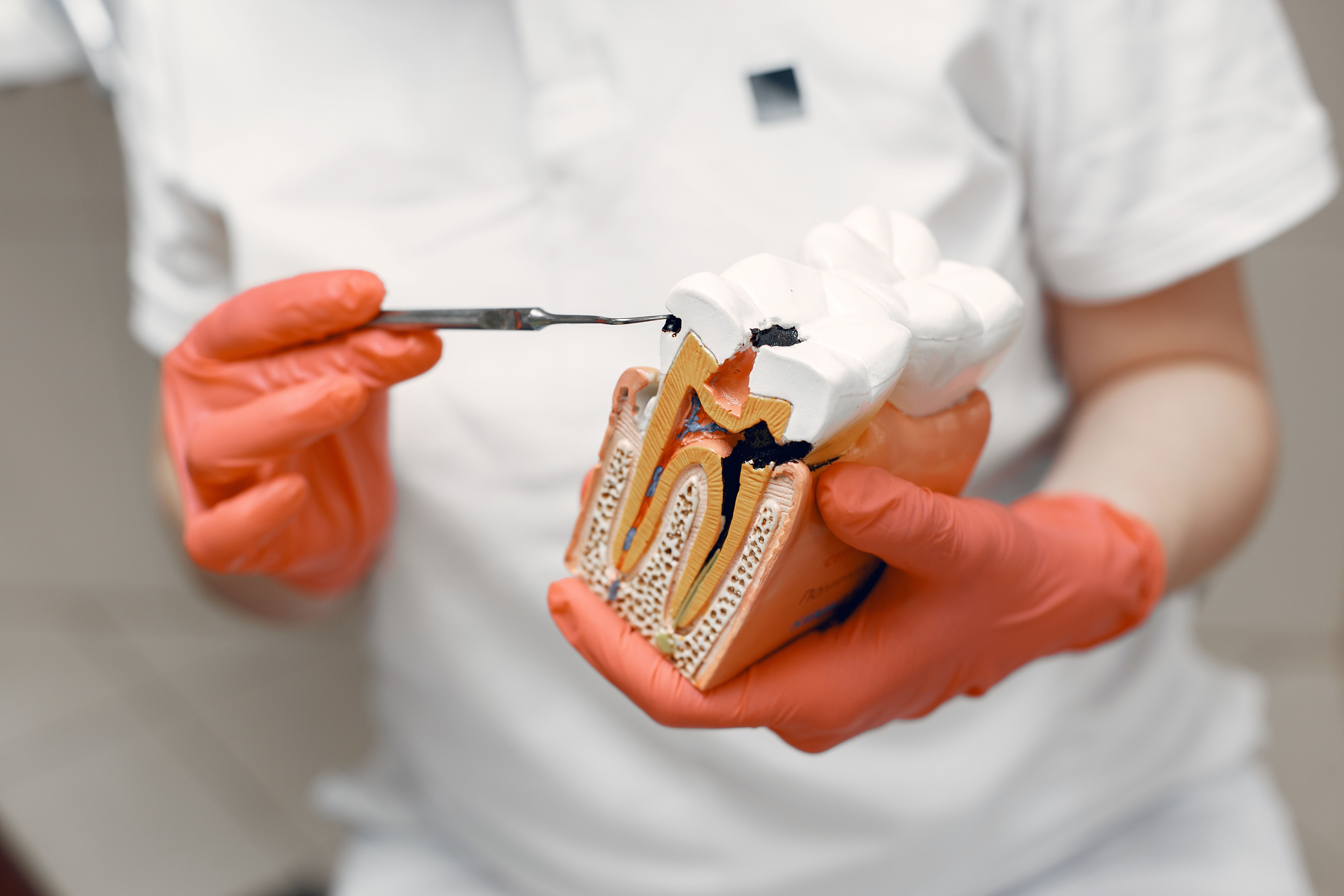
Generally, root canal treatment is all that is needed to repair your injured tooth. Occasionally, the root canal procedure will not be sufficient to completely eliminate the problem. If the tooth is not healing, we may suggest surgical treatment. Endodontic surgery can be used to remove persistent infections, locate fractures, or treat hidden canals that do not appear on x-rays but cause pain in the tooth.

Damaged root surfaces or the surrounding bone may also be treated with this procedure. The most common surgery used to save damaged teeth is an apicoectomy or root-end resection.

During this procedure, the endodontist gently opens the gum tissue near the tooth to examine the surrounding bone and remove any infected or inflamed tissue. The tip of the root associated with the infection is then removed.

A small filling is placed at the root end to seal the root canal, and a few sutures may be used to help the gums heal properly. Over the next several months, the bone will gradually heal around the end of the root.

Endodontic Surgery Evaluation

Signs You May Need Endodontic Surgery

Knowing when surgical treatment may be needed is something your endodontist will determine after a thorough evaluation. Common reasons endodontic surgery is recommended include:

01
Healing Concerns

A Previously Treated Tooth Is Not Healing

A previously treated tooth that is not healing as expected.

02
Persistent Infection

Infection Did Not Resolve

A persistent infection that did not resolve with root canal treatment.

03
Root Damage

A Fracture in the Root

A fracture in the root that needs to be located and treated.

04
Hidden Canal

A Canal That Does Not Appear on X Rays

A hidden canal that does not appear on x-rays but is causing pain.

05
Surrounding Structures

Damage to the Root Surface or Bone

Damage to the root surface or the surrounding bone.

!

If you're experiencing ongoing pain, swelling, or your dentist has referred you for evaluation, contact our office so we can determine the best path forward for your tooth.

Endodontic Surgery

Why See an Endodontist for Surgical Care?

Endodontic surgery requires advanced training and precision beyond what general dentistry provides. As a specialist focused exclusively on endodontics, Dr. Surbhi Puri completed her Certificate of Advanced Graduate Study (CAGS) in Endodontics at Boston University, along with years of experience in both nonsurgical and surgical endodontic therapy.

Dr. Puri combines this specialized training with advanced technology — including CBCT imaging and operating microscopes — to accurately diagnose the source of your pain and perform surgical treatment with precision. This level of detail allows her to identify fractures, hidden canals, and areas of infection that may not be visible with standard imaging, giving your tooth the best possible chance of healing.

Our goal is always to preserve your natural tooth whenever possible, and to make sure you feel informed and at ease throughout the process.

Endodontic Surgery

Endodontic Surgery

What to Expect During Endodontic Surgery

01
Step 1

Evaluation

Your endodontist will review your case, including your x-rays and treatment history, to determine whether surgical treatment is the right option for your tooth.

02
Step 2

Anesthesia

The area is numbed with local anesthesia so the procedure can be performed comfortably.

03
Step 3

Accessing the Area

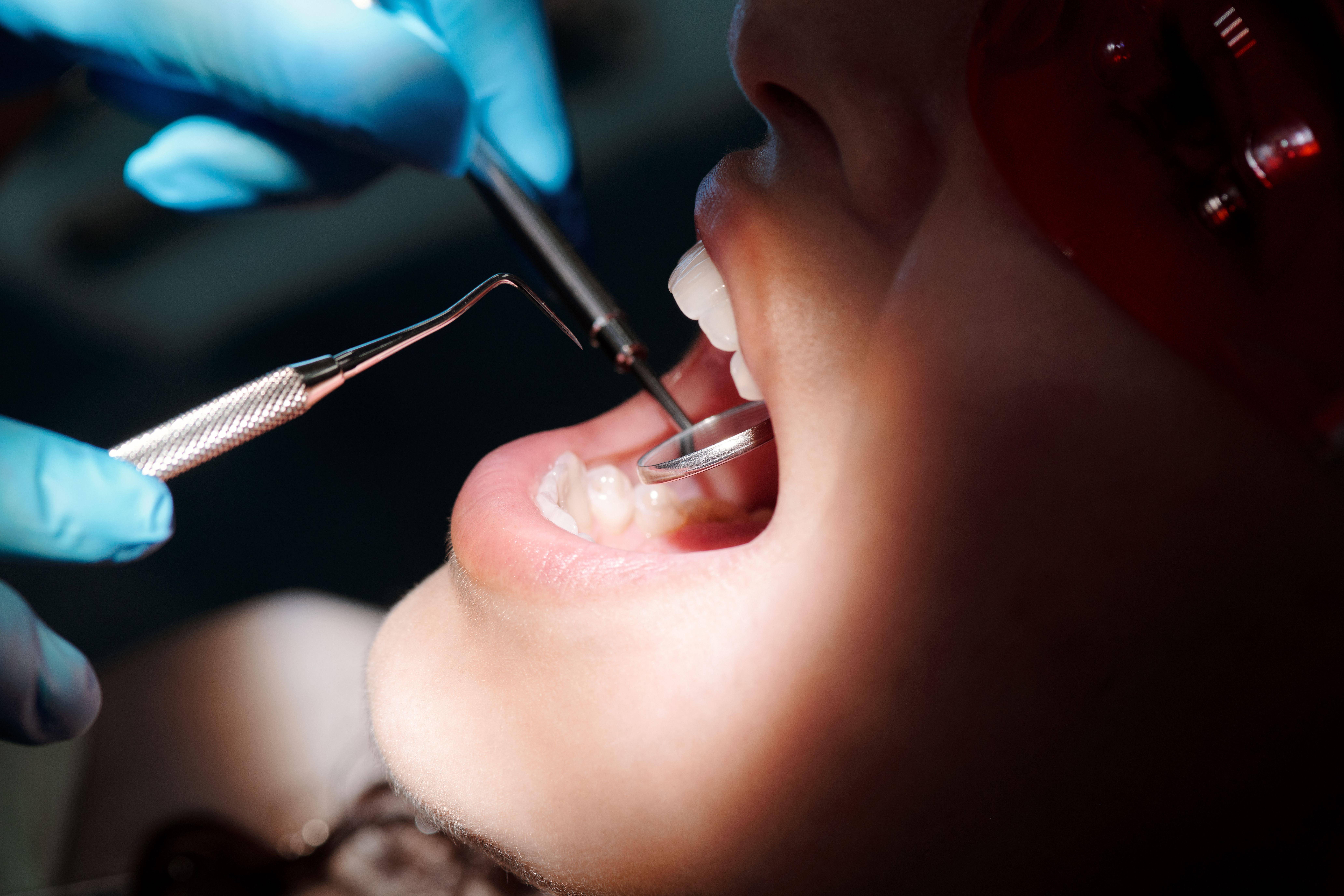
The endodontist gently opens the gum tissue near the tooth to examine the surrounding bone and access the affected root.

04
Step 4

Removing Infected Tissue

Any infected or inflamed tissue is carefully removed, along with the tip of the root associated with the infection.

05
Step 5

Sealing & Healing

A small filling is placed at the root end to seal the root canal, and a few sutures may be used to help the gums heal properly. Over the next several months, the bone will gradually heal around the end of the root.
Saving Your Natural Tooth

Endodontic surgery offers another opportunity to save a tooth that might otherwise need to be extracted. Whenever possible, our goal is to help you keep your natural tooth, since it offers better long-term function, appearance, and chewing ability than replacement options like implants or bridges.

Choosing to save your natural tooth through endodontic surgery can also help you avoid the additional time and cost often associated with tooth replacement. Dr. Puri will walk you through your options clearly, so you can make the decision that's right for you.

Endodontic Surgery and Insurance

We gladly work with many insurance companies to help you maximize your reimbursement for covered services. As a courtesy, we will submit your claim to your primary insurance company. Insurance coverage varies by plan, employer, and individual benefits, so please contact our office before your visit and we'll help verify your current coverage.

What Our Patients Are Saying

Frequently Asked Questions About Endodontic Surgery

What is endodontic surgery?

Endodontic surgery, sometimes called an apicoectomy, is a procedure used when non-surgical treatment alone cannot resolve an infection at the tip of the tooth's root. It involves carefully accessing the area around the root tip to remove infected tissue and seal the end of the root canal.

When is surgery needed instead of retreatment?

Surgery may be recommended when a root canal or retreatment has not fully resolved an infection, when the canal anatomy is too complex to access non-surgically, or when a filling material needs to be sealed from the root tip rather than from inside the tooth.

Is endodontic surgery painful?

The procedure is performed under local anesthesia, similar to a root canal, so you should not feel pain during the surgery itself. Some soreness during the healing period is normal and manageable with your provider's post-operative care instructions.

How long is recovery after endodontic surgery?

Recovery time varies by patient and procedure. Most people experience some swelling or mild discomfort in the days following surgery, which typically improves within a short time. Your endodontist will give you specific aftercare instructions.

Will my tooth still function normally after surgery?

Yes. The goal of endodontic surgery is to save the natural tooth and preserve its normal function. Once healed, your tooth should look and feel like the rest of your natural teeth.

Q: Can endodontic surgery fail?

While endodontic surgery has a high rate of success, no procedure can guarantee results in every case. If healing does not progress as expected, your endodontist will discuss the next best options with you, which may include further evaluation or, in rare cases, extraction.

Ready to Save Your Natural Tooth?

If you've been referred for endodontic surgery or you're experiencing ongoing pain in a previously treated tooth, our team is here to help. Contact Sienna Endodontics today to schedule your evaluation and take the next step toward relief.

Hours

Monday 8:00 am - 5:00 pm

Tuesday 8:00 am- 5:00 pm

Wednesday 8:00 am- 5:00 pm

Thursday. 8:00 am- 5:00 pm

Friday. 8:00 am- 5:00 pm

Saturday Closed

Sunday Closed

5316 Sienna Parkway, Suite 150, Missouri City, TX, 77459, United States

We are committed to making our website accessible to all users. If you experience difficulty accessing any content, please contact us at [email protected] or 281-969-3515 and we will address it promptly.

Dr. Puri's front desk

Online · replies in minutes

Hi, thanks for stopping by! Whether you'd like to book a visit or just have a question, we're right here. How can we help?
Book a free consultation No pressure · confirmed within a day